
Fur’s Fervent Return to the Spotlight
Words by Tricia Merone
Edited by Rachel Hambly and Bailey Tolentino
As fashion trends are the mere recycling of previously fabulous looks, it was inevitable that fur would make a dramatic return to the social scene. While opinions of it have swayed drastically, particularly as sustainability has come to the forefront of fashion, fur – in all forms – seems to have regained the good graces of many, with long fur coats, vests, and hats found on every corner of city streets. A globally popular look, fur has long symbolized wealth, reflecting the ever-evolving luxury landscape of fashion. But with fur making a subtle return, sustainably thrifted and recycled fur has become more accessible to those wanting to embrace the style — a huge success for modern-day sustainability.
A Pinnacle of Fashion
Seductive, stylish, chic, and devoutly luxurious – who, truly, can resist the charms of a fur coat? Sex and the City star Carrie Bradshaw was the epitome of fashion in the late 90s and early 2000s, often styling a fur coat to combat the viciously cold New York winters. Paired with knee-high boots and a skirt, or a daring dress and heels, Bradshaw showed that fur could and would make the outfit – a sentiment society seems to be remembering. What does this return of fur mean for the style of luxury brands?
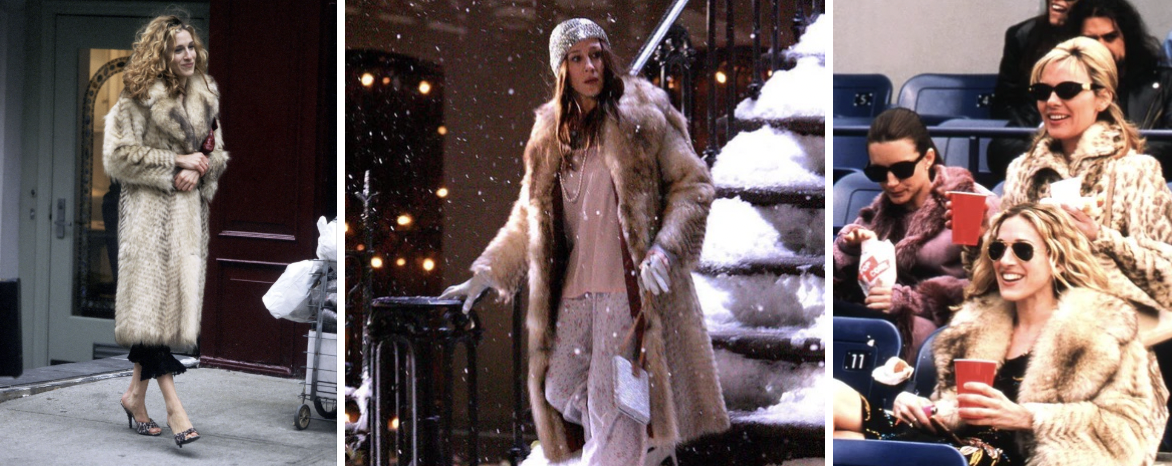
Fur as the style statement we need
Foreshadowing from Autumn/Winter 26 Collections
Fur dominated Autumn/Winter 2026 collections, with celebrities from Hailey Bieber to Rihanna sporting the luxurious variety of faux and vintage fur coats, foreshadowing that fur would, in fact, trickle down and return to popularity among the masses this winter. Found in London’s A/W 26 fashion displays, Simone Rocha revealed looks adorned with fur bras, dress hems, and bag charms, revealing that fur can surpass the foundational coat look and accessorize to a far more interesting degree.
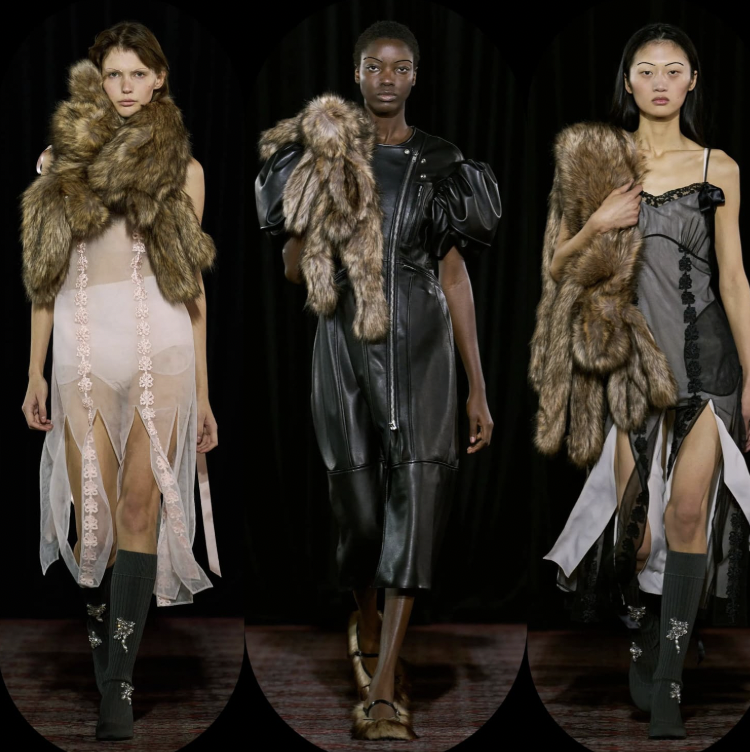
Simone Rocha A/W 26
While last year's fashion weeks dragged fur back into the spotlight, it begs the question of real versus faux and whether brands will stand firm in their previous opposition to using real animal fur. Brands such as Prada, Gucci, and Chanel have long embraced faux fur, with bans and restrictions on the use of real animal fur in publications such as Conde Nast and, subsequently, Vogue, so paying heed to the return of fur is indeed quite controversial. Ganni, a sustainability-conscious brand, spotlighted fur looks made from recycled polyester, changing the narrative that fur can give way to more sustainable practices; indeed, these pre-existing guidelines have helped this trend funnel into a more environmentally sound practice, with consumers preferring vintage and thrifted furs sourced from second-hand dealers and resellers.
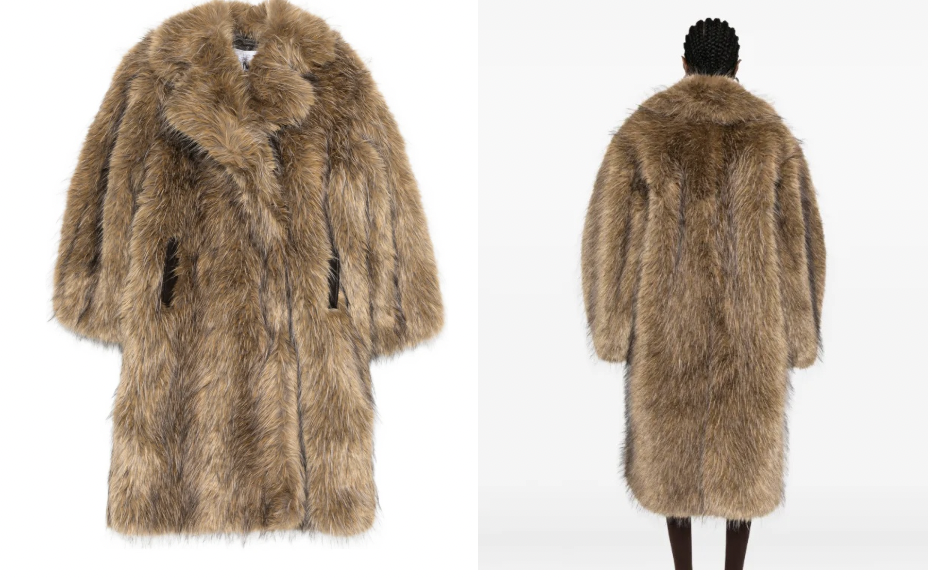
GANNI notched-lapel faux-fur look
Fur as an Ethically Sound Alternative
Many consumers view the purchase of fur as a more ethical choice for outerwear, as thrifting a piece of real fur seems far more sustainable long-term than feeding into polyester and plastic alternatives that are bound to end up in a landfill sooner or later. Perhaps fur is just the influence we need to revert back to vintage looks and habits, turning our backs on fast fashion and the toxic “overconsumption” of the current generation.
Desired by people for hundreds of years to a global degree, fur, both minimal and maximal in nature, may never be out of sight or mind. It may be better, in turn, to accept the popularization of fur and welcome it back into our closets with open, yet sustainably sound, arms.