
Yohji Yamamoto: a Retrospective Review
Words by Frances Davis
Edited by Rachel Hambly and Bailey Tolentino
Debuting in Tokyo in 1977, Yohji Yamamoto’s eponymous brand is globally renowned for masterful tailoring and a distinctive manipulation of structure and drapery. Born to two Japanese parents, Yamamoto did not grow up surrounded by high fashion and design; he went to university and graduated with a law degree, all before deciding he had no interest in ‘joining the ordinary society,’ as he explained in an interview with Business of Fashion. He went on to support his mother in her dressmaking business, learning the complex process of designing and creating beautiful clothing. Soon thereafter, he enrolled at Tokyo’s Bunka Fashion College, Japan’s first fashion school, founded in 1919.
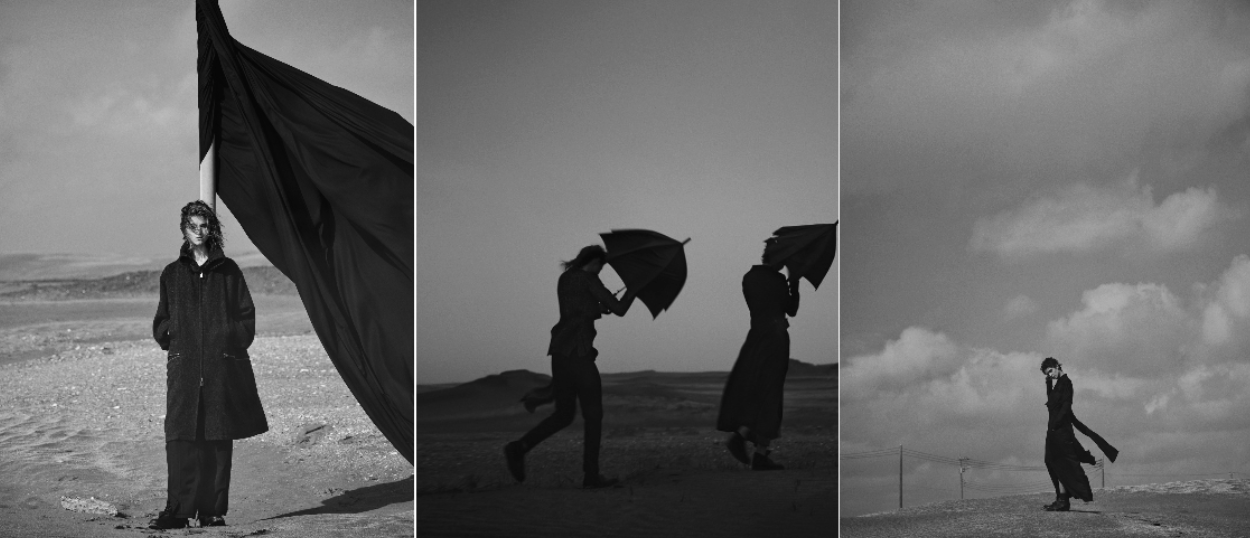
Source: Yamamoto
Yamamoto travelled back and forth between his homeland of Japan and Paris – the nexus of the fashion world – for the following years, drawing on these two distinct environments to hone his own distinct style and interests in his creations. Very quickly, he developed his now distinctly recognizable architectural style: fabric draped and tucked delicately, coating models’ bodies in large pieces of black cloth and using various technical methods to highlight the figures beneath: gathering in places, hanging loosely elsewhere: folding, twisting, tearing, and tying.
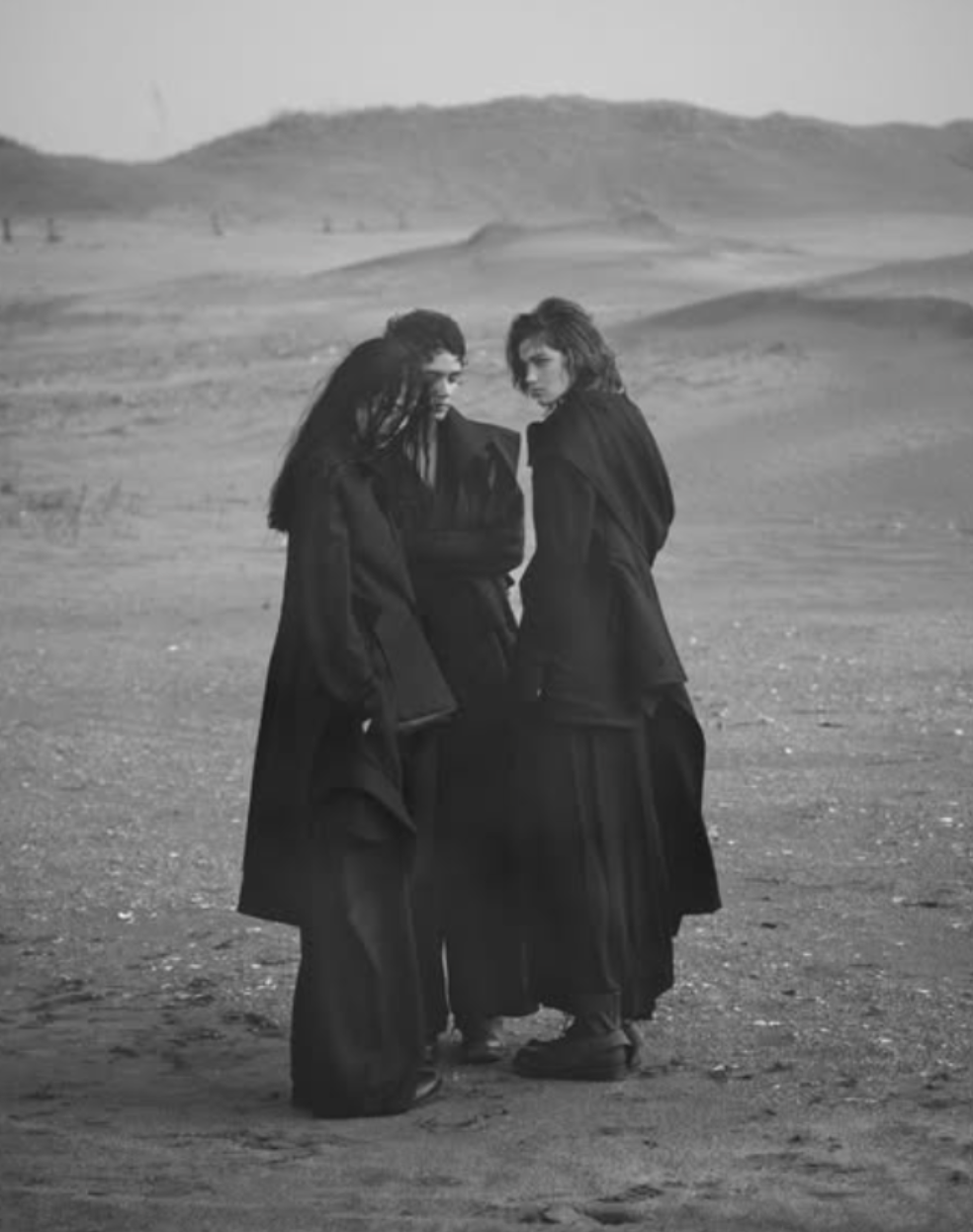
Source: Yamamoto
The brand has grown exponentially since the opening of Yamamoto’s first shop in Paris in 1980. Today, his two main lines are Yohji Yamamoto and Y’s, but he has also built and scaled multiple other lines, including Pour Homme, Costume d’Homme, and Regulation Yohji Yamamoto. In recent years, he has collaborated with numerous other brands, notably the creation of Y-3 in partnership with Adidas and the Yohji bag for Hermes.
One aspect most fundamental to all of his designs is the androgynous look that runs through his collections. In a 2015 interview titled ‘A Kind of Woman,’ Yamamoto describes his becoming a fashion designer as ‘by chance’ and deeply rooted in his distaste for the uber-feminine trends of late 10th-century Japan. The orders he received at his mother’s dress shop drove him to design more masculine clothing for women as an alternative to the doll-like items. Yamamoto synthesizes his unique approach to design, inspired by shaping and clothing the independent, modern woman.

Source: Couturer
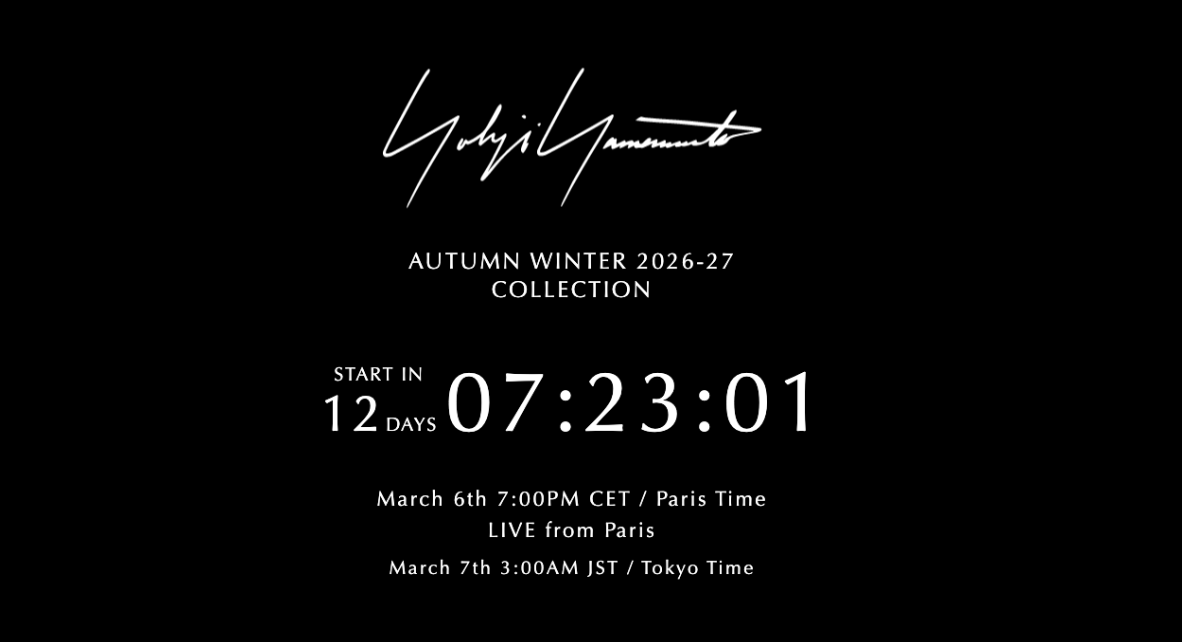
Available to buy online through a few sites and in-person at under 20 stores worldwide, Yamamoto’s designs are somewhat hard to find, adding to the allure and mystique of his dark, dramatic arrangements. When you visit Yamamoto’s own site, you are met by his scrawled signature sitting above a straightforward countdown to the launch of his upcoming collection. Yamamoto himself is not an excessively public person beyond the persona created by his brand; he speaks occasionally in interviews.
Grouped with other great Japanese designers such as Rei Kawakubo (Comme des Garçons), Issey Miyake, and Kenzo, Yamamoto’s radical approach to designing both women's and men’s clothing has cemented him as one of the greatest designers of the 20th century. Regarded as one of the world’s master tailors, Yamamoto has applied the skills he learned early on from his mother’s dress shop to build a triumphant career.