
The Fluidity of Sustainability In Fashion and Textiles
Words by Tricia Merone
Edited by Rachel Hambly and Bailey Tolentino
In our fluid, three-dimensional world, fashion speaks a language of many tongues. As the fashion industry continues to evolve into many old and new branches, sustainability remains one of these native tongues, spoken at the forefront of fashion house missions. With designers turning to recycled materials and circular means, fashion itself has taken a more artistic form, adopting more fluid, combined media as sustainability intersects with creativity and design. Caroline Zimbalist, an artist and designer, stands as a leader in this evolution, using biodegradable bioplastic as a tool to blur the boundaries between fashion, art, and design, emphasizing both ecological responsibility and material versatility in her work.
Bioplastics as an Artistic Medium
Earning a BFA in Fashion from Parsons School of Design and further building on her avant-garde sensibility through her studies at Central Saint Martins in London, Zimbalist explores the boundaries between art and fashion, experimenting with deconstructing her paintings and translating them into garments, while creating sculptural clothing, jewelry, and functional objects. She uses the fluidity of fashion and art to her advantage, bending the mediums between them while centering her work on the use of biomaterials and sustainable making.
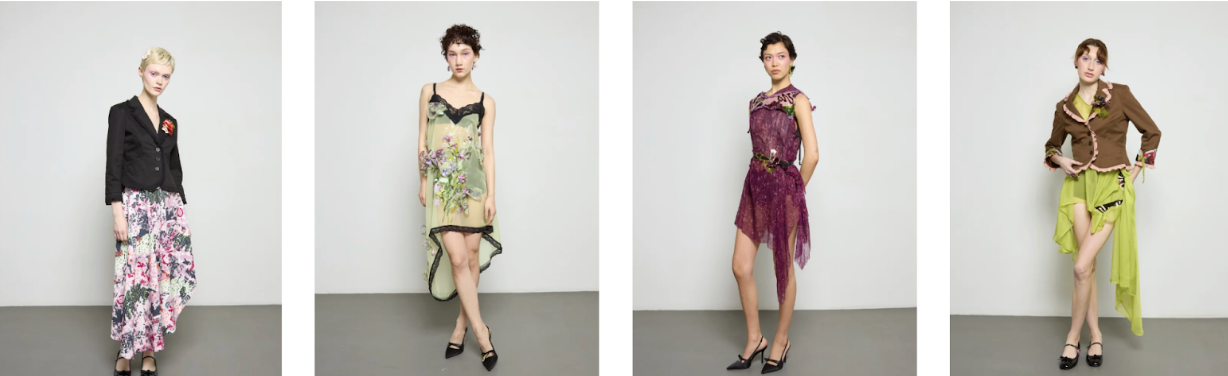
Caroline Zimbalist AW 26 - Courtesy of Caroline Zimbalist
Debuting her Fall/Winter 2026 collection at L’Space Gallery in Chelsea, Zimbalist integrates her classic use of biomaterials with textile innovation and traditional garment construction, exploring the intersection between saturated color stories, hand-drawn prints, and ethereal looks. She plays with bio-sculptural accessories in place of conventional hardware, drawing inspiration from the natural world and memories of childlike play, with images of flowers, draping silhouettes, and cascading hemlines transporting us to a world of reverie. Many of these pieces incorporate sheer draping, while others play with sculptural garments, creating an exquisitely delicate look across the collection's vibrant colors.
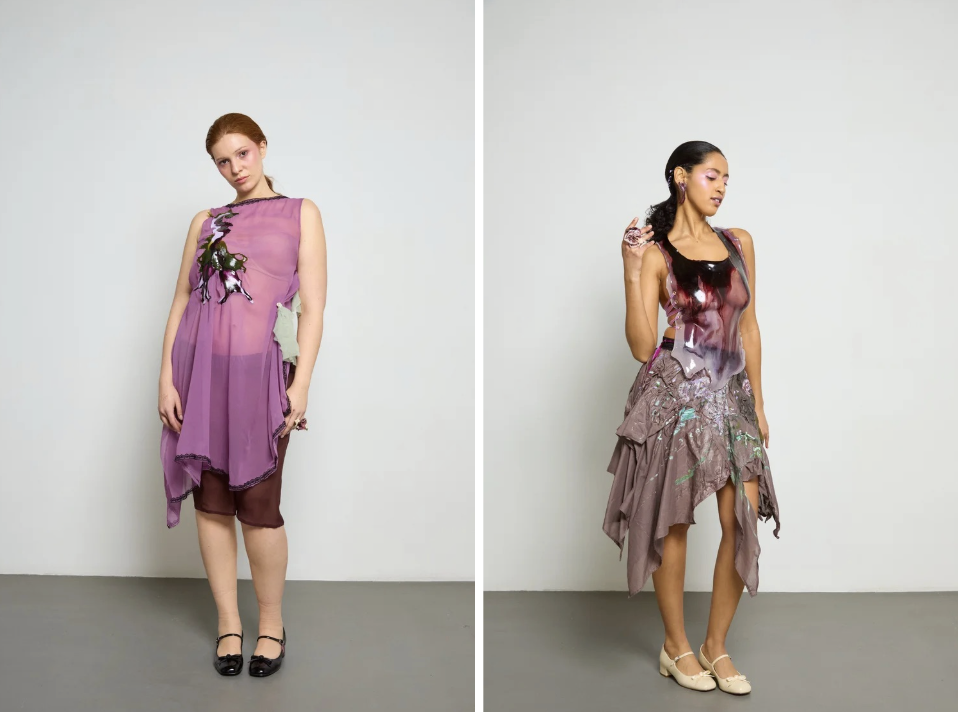
Caroline Zimbalist AW 26 - Courtesy of Caroline Zimbalist
‘Birds of a Feather’
As sustainability efforts in the fashion industry shift their focus to reducing supply chain emissions and pursuing decarbonization, artists and designers (such as Zimbalist) aim to address the root of the problem through their designs. Pria Ahluwalia, designer behind the multi-award-winning label Ahluwalia, combines elements of her dual Indian-Nigerian heritage and London roots while re-gifting life to existing material through various textile and patchwork techniques. A pioneer in the fashion industry, Ahluwalia explores the creative potential of vintage and surplus clothing, with sustainability at the head of her work. She was honored for her work in sustainability at the Vogue ‘Force for Change’ dinner, recognized as a Leader of Change at the British Fashion Awards in 2021, and featured on British Vogue’s January 2024 cover in recognition for her eco-social contributions. Ahluwalia is driving innovation as the future of the fashion industry through her design work and her talent that extends into art, music, and literature. Artists like Zimbalist and Ahluwalia stretch the fluidity of fashion and resist the industry's limitations, proving that sustainability can enhance creativity and innovation.
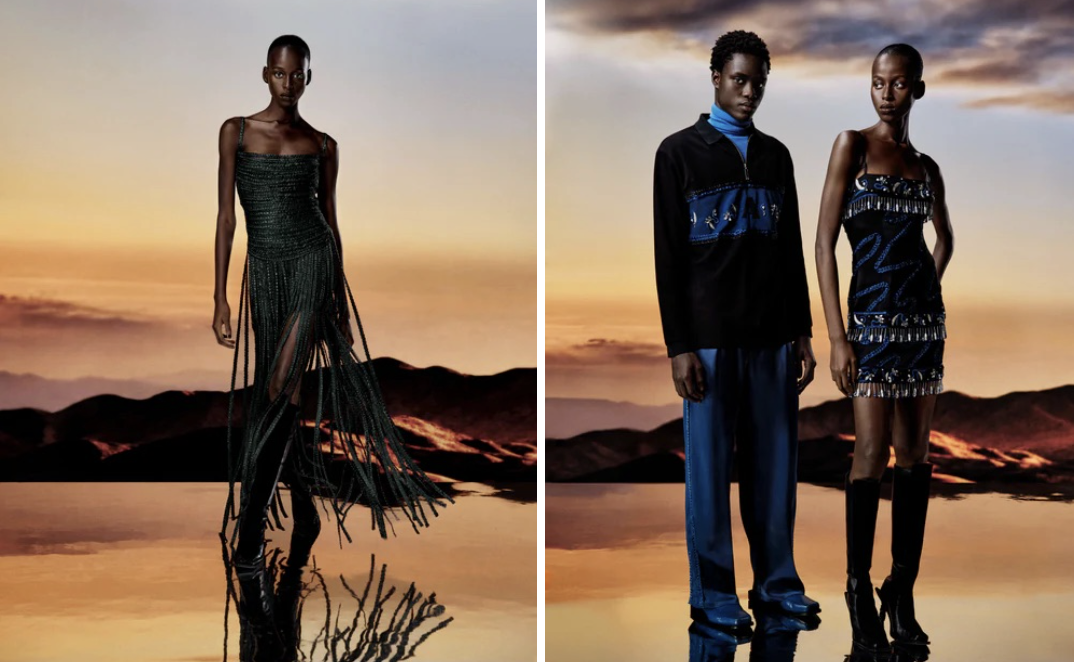
Ahluwalia AW 26, ‘Birds of a Feather’
Beyond the use of sustainable materials, the AW 26 collection is simply jaw-dropping. A collection that explores friendship and kinship, the passion and intimacy behind it shine through each piece – from draping beadwork to carefully tailored suits to sport joggers. This collection and its colors encapsulate a shift towards warmth, resilience, and the intimacy of platonic connection, while also acting as the first preview of the next drop from PUMA X Ahluwalia. Ahluwalia shares that this collection is ‘inspired by the atmosphere of grassroots football and the visual language of fan culture and continues Ahluwalia’s dialogue between sport and community.’ Bold, inspired, impassioned – ‘Birds of a Feather’ is everything fashion is meant to be and more, and represents a greater message to the fashion community about intrepid creativity and sustainability.
The Future of Circular Fashion
A cornerstone of sustainable fashion with a ‘circularity-first’ approach, Ecoalf is a Spanish-based fashion brand that has positioned itself as ‘one of the world’s leading sustainability-first brands.’ The brand was founded in 2009 by Javier Goyeneche, with a business model driven by material innovation, circularity, and a disciplined approach to impact. Goyeneche states he ‘believed the most sustainable thing to do was to stop using the planet’s natural resources in a careless way to ensure those of the next generation,’ and the brand set out to create a new generation of recycled products with the same quality and design as the best non-recycled products. Since 2009, Ecoalf has developed and used over 600 innovative fabrics with a lower environmental impact, giving a second life to waste materials such as recycled nylon, polyester, wool, and cotton.

Ecoalf – ‘Because There is No Planet B’
Ecoalf products range from t-shirts and trousers to handbags and backpacks, revealing that fashion in the face of sustainability is far from limited. While Ecoalf leans more towards everyday-style clothing compared to the artistic works of Ahluwalia and Zimbalist, all three designers stand at the pinnacle of innovation and sustainability in fashion. From bioplastic sculptural pieces to recycled textiles, this sustainable sector of fashion is one of the most fascinating yet critical topics in today's world of consumption, and these designers underscore how sustainability initiatives flex the traditional boundaries of fashion and creativity, formulating a new element of artistic design and inspiration for the world to follow.